
"African coffee cooperatives"
1000 article(s) found

Enter the coffee producing area of Kenya and African boutique coffee
Kenya Coffee growing area Kenya's coffee producing areas are mainly concentrated in Mount Kenya (Mt. The plateau region represented by Kenya). Tropical climate, acid red volcanic soil provides a natural and suitable growth environment for coffee. The main producing areas are Nyeri and Ruiru in the middle of the country. Kenyan coffee varieties were originally brought to Kenya for cultivation.

Characteristics of Sidamo Coffee introduction to Sidamo Guji Ardi Yadi Coffee Cooperative
For more information on coffee beans, please follow the coffee workshop (Wechat official account cafe_style). The cooperative produced by Ardi is located in the Guji district of Ethiopia's West Dharma Province. There are 700members of small coffee farmers under the Ardi cooperative. Yadi is named after Ardi, whose 4.4 million-year-old female remains were discovered in 1992.

Introduction to the flavor and background of the Yega Sheffield Halobaliti Cooperative of Solar treatment
For the exchange of professional baristas, please follow the coffee workshop (Wechat official account cafe_style) Solar treatment method Yega Shivaka Halobaliti Cooperative G1 (Ethiopia Natural Worka Halo Bariti Cooperative G1) country: Ethiopia (Ethiopia) producing area: SNNPR Region Gaideo (Gedeo Zone) Godibe (Gedeb) altitude: 1

Introduction to the Lion King Coffee Bean Flavor Manor of the Sidamoshilsa Cooperative
Sidamo Lion King Solar G1 varieties: local native species baking degree: shallow baking treatment: sun treatment grade: G1 flavor: dry aroma: wild ginger flower, jasmine flower, honey, wheat flavor, lemon peel aroma wet fragrance: honey sweetness, more flowers, maple syrup aroma, creamy flavor, citrus sipping: strong fruit tone, cantaloupe, strawberry, peach, Cheng

Introduction of Sidamo Coffee producing area introduction of Sidamo Coffee Flavor
For the exchange of professional baristas, please pay attention to the coffee workshop (Wechat official account cafe_style). The coffee flavor of Sidamo is very diverse, and different soil types, microclimate and countless native coffee species make the coffee produced in each town have obvious differences and characteristics. The selected batch is excellent in flavor and has won the authority of the United States in succession.

How to wash Sidamo coffee by hand? Introduction to the Sidamo Hilsa Cooperative in Ethiopia
Professional coffee knowledge exchange more coffee bean information please follow the coffee workshop (Wechat official account cafe_style) Ethiopia Federal Democratic Republic, commonly known as Ethiopia, is a country located in Northeast Africa, formerly known as the people's Democratic Republic of Ethiopia. Formerly known as Abyssinia. Unlike other African countries, Ethiopia was in Ethiopia for the second time.

World knowledge Press Beijing World knowledge Bookstore (Coffee Bookstore) officially opened
Ma Fengchun, president of the World knowledge Publishing House, delivered a speech to the guest at the scene-"the Notes of doctors of my African Medical team for Ten years of Aid to Africa." the launch of the new book was held ceremoniously on April 23, World Reading Day. In the quiet dry noodle alley beside Jinbao Street, came the mellow smell of coffee. World knowledge Publishing House directly under the Ministry of Foreign Affairs Beijing World knowledge Bookstore (Coffee Bookstore) officially opened for readers, authors,

FLO Fair Trade in Rwanda | what is the flavor of COOPAC Cooperative Grade An in Kupec?
Professional coffee knowledge exchange more coffee bean information please follow the coffee workshop (Wechat official account cafe_style) Rwanda FLO Fair Trade | Kupec COOPAC Cooperative Grade A flavor? Almost all coffee in Lu is produced by small farmers. It is estimated that there are more than 500,000 small coffee farmers in the country, and most of the average area of each farm is less than one hectare. In addition, transportation is not

Tanzania Coffee Manor Coffee Bean Fine Coffee African Coffee
Due to political instability and rampant diseases and insect pests, the coffee industry in Tanzania has been damaged, resulting in a decline in the overall level of coffee and instability in quality, which in turn lead to lower prices, which is usually the result of a further decline in the coffee industry. What's more, it is estimated that more than 12% of the Arabica coffee grown in northern Tanzania from 1969 to 1985

Characteristics of planting and processing Flavor of washed Coffee in Kenya brief introduction of Coffee washing and processing Plant gikirima
Africa used to dominate the global coffee market. At the peak of production, African countries accounted for four of the world's top ten coffee producers. Today, African coffee beans still compete in the world coffee market. Kenya is one of the largest exporters of fine coffee on the African continent. Qianjie will take you to learn about the cultivation and processing of coffee in Kenya. The GIKIRIMA factory is located in Mount Kenya.

What are the characteristics of the Ethiopian Sunshine Yega Sheffivoka Halobaliti Cooperative? What is it?
Professional coffee knowledge exchange more coffee bean information please follow the coffee workshop (Wechat official account cafe_style) Ethiopia sun Yega Shivaka Halobaliti cooperative what are the characteristics? What's the flavor and taste? National Ethiopian producing area Gaidio, Godibe 1600 2300 meters above sea level (processing plant GPS measured height) variety Ethiopian ancient
The cooperative farm United by Kenyan coffee farmers is different from the autonomy of other large farms.
Kenya is bordered to the north by Ethiopia, the origin of Arabica coffee trees, but it was not until the beginning of the 20th century that coffee cultivation began. In the 19th century, missionaries introduced Arabica trees from Yemen, but did not plant them in large quantities. It was not until 1893 that coffee was cultivated on a large scale after the introduction of Brazil's ancient bourbon seeds. That is to say, Kenyan coffee was of Brazilian origin.

Tanzania boutique coffee African flavor coffee
Gourmet coffee has soft acidity and attractive aroma, which is absolutely worth enjoying. Coffee exports from Tanzania (Tanzania) play an important role in the whole national economy. Bean-shaped berry coffee is very productive and is said to be more fragrant than ordinary coffee. Generally speaking, the coffee beans in Tanzania have an extraordinary quality. For example, in the neighborhood of Kilimanj

Boutique coffee African Tanzanian coffee treatment method coffee bean coffee
Gourmet coffee has soft acidity and attractive aroma, which is absolutely worth enjoying. Coffee exports from Tanzania (Tanzania) play an important role in the whole national economy. Bean-shaped berry coffee is very productive and is said to be more fragrant than ordinary coffee. Generally speaking, the coffee beans in Tanzania have an extraordinary quality. For example, in the neighborhood of Kilimanja

With soft acidity and attractive aroma, Tanzanian gourmet coffee is an absolutely worthwhile African essence.
Gourmet coffee has soft acidity and attractive aroma, which is absolutely worth enjoying. Coffee exports from Tanzania (Tanzania) play an important role in the whole national economy. Bean-shaped berry coffee is very productive and is said to be more fragrant than ordinary coffee. Generally speaking, the coffee beans in Tanzania have an extraordinary quality. For example, in the neighborhood of Kilimanja
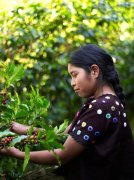
Niya coffee mostly grows at an altitude of 1500~2100 meters African boutique coffee Kenyan flavor
Niya coffee is mostly grown at altitudes of 1500 to 2100 meters and harvested twice a year. To make sure only ripe berries are picked, people have to make about seven rounds through the woods. Kenyan coffee is grown by small farmers who harvest the coffee and send it fresh to a cooperative washing station, where the washed, dried coffee is washed into parchment coffee beans (i.e., coated inside).

Current situation of coffee sales in Tanzania | African coffee bean market | Coffee origin information
Professional coffee knowledge exchange more coffee bean information Please follow Coffee Workshop (Wechat official account cafe_style) recently, Tanzanian Minister of Agriculture Charles Stizeba said that coffee growers and coffee supply and marketing cooperatives in Tanzania will start in July and can only sell coffee through annual coffee auctions under the supervision of the Tanzanian Coffee Council. Tizeba explained, Tong

Yega chiffon Wauka flavor
Yirgacheffe coffee raw bean is one of the most distinctive coffee in the world, rare and expensive, produced in the highlands of Ethiopia's sidamo province (4000 feet above sea level). It is an outstanding representative of washed coffee in Africa, with unique citrus and lemon fruit aromas, jasmine aromas, moderate roasting and soft acidity, deep roasting.

Introduction to coffee beans recommended for beginners to make coffee beans hand brewed coffee choose coffee beans
Professional coffee knowledge exchange more coffee bean information please follow the coffee workshop (Wechat official account cafe_style) front street-Costa Rica Tarazu Cooperative Shepherdess introduced African beans will have the sour taste of fruit, but balanced with mellow, so the taste is peaceful; Asian beans will have a clear herbal flavor, soil flavor and spice herbal flavor similar to traditional Chinese medicine